
Esta página no es una página oficial de la aplicación ni de su desarrollador, sino una publicación editorial independiente creada con fines informativos y de comentario. Salvo que se indique expresamente lo contrario, ni la aplicación ni su desarrollador están afiliados, respaldados, patrocinados, autorizados ni conectados oficialmente con MWM, Apple, Google Play, el editor de la aplicación ni su desarrollador, y nada en esta página implica que la aplicación haya sido desarrollada utilizando los servicios de MWM. Todas las marcas comerciales, logotipos, capturas de pantalla y demás contenidos son propiedad de sus respectivos propietarios.


Alive or Dead: Game of Life
Experimenta el legendario autómata celular de John Conway en un entorno minimalista y de Turing completo. Diseñado para la mente analítica para observar, experimentar y hacer evolucionar la lógica en vida.
Descargas
11K+Valoración
Total valoraciones
100Editor
Categoría
Developer ToolsIdiomas
4Última versión
3.4.6Tamaño
20.1 MBFecha de lanzamiento
13 feb 2020Domina las Leyes de los Autómatas Celulares
Sumérgete en la pureza matemática del Juego de la Vida de Conway. Explora cómo cuatro reglas simples generan complejidad infinita en esta simulación de alto rendimiento diseñada para la mente analítica.
Emergencia Dinámica
Observa cómo células simples evolucionan en osciladores, naves espaciales y formas de vida complejas basadas en las reglas clásicas de supervivencia y reproducción.
Sandbox de Turing Completo
Aprovecha un sistema lo suficientemente potente como para simular un constructor universal o cualquier máquina de Turing directamente en tu iPhone o iPad.
Las siguientes capturas de pantalla y la descripción provienen directamente del listado oficial de la tienda de la aplicación y son propiedad del desarrollador.
App Store
Capturas
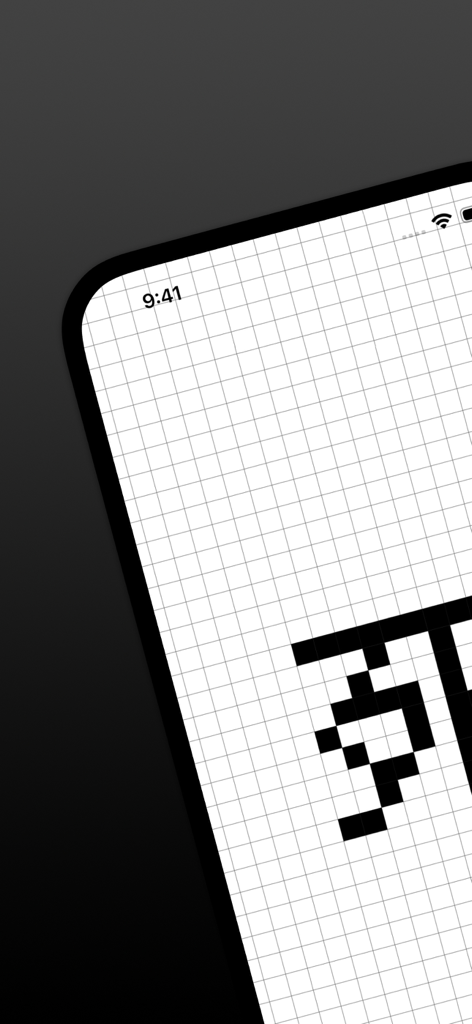
Un patrón de autómata celular en una rejilla minimalista en la aplicación Alive or Dead
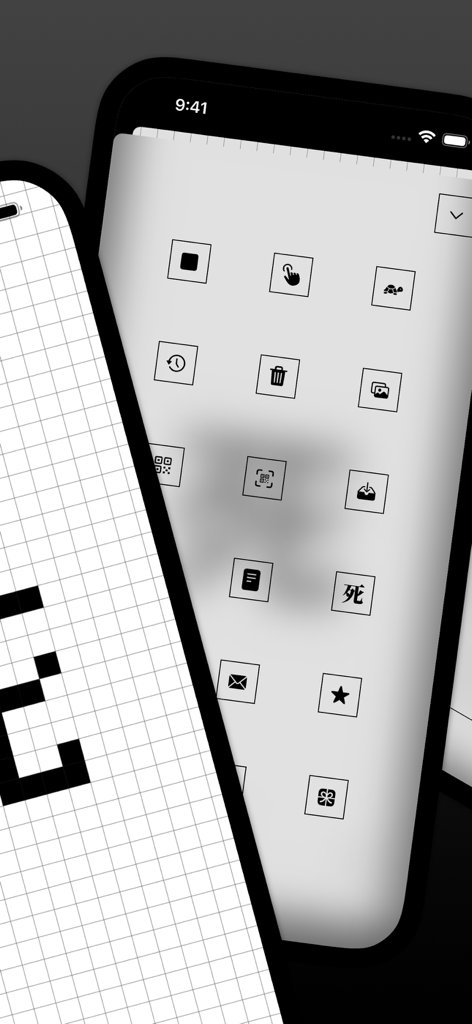
Interfaz móvil minimalista en blanco y negro para el Juego de la Vida que muestra una rejilla e íconos de control
Interfaz móvil minimalista de la simulación Alive or Dead Game of Life
Descripción
Download
Apps Similares
Apps mejor clasificadas en la misma categoría

TestFlight
Apple Inc.

Replit: Vibe Code Apps
Replit, Inc

GitHub
GitHub

O-KAM Pro
Shenzhen VeePai IoT Intelligent Technology LLC

Apple Developer
Apple Inc.

Expo Go
650 Industries, Inc.

Scriptable
Simon Stovring

App Store Connect
Apple Inc.

Sekai: Create · Remix · Play
Versa AI, Inc.
Esta página no es una página oficial de la aplicación ni de su desarrollador, sino una publicación editorial independiente creada con fines informativos y de comentario. Salvo que se indique expresamente lo contrario, ni la aplicación ni su desarrollador están afiliados, respaldados, patrocinados, autorizados ni conectados oficialmente con MWM, Apple, Google Play, el editor de la aplicación ni su desarrollador, y nada en esta página implica que la aplicación haya sido desarrollada utilizando los servicios de MWM. Todas las marcas comerciales, logotipos, capturas de pantalla y demás contenidos son propiedad de sus respectivos propietarios.