
This page is not an official page of the app or its developer, but an independent editorial publication created for informational and commentary purposes. Unless expressly stated otherwise, neither the app nor its developer is affiliated with, endorsed by, sponsored by, authorized by, or otherwise officially connected with MWM, Apple, Google Play, the app publisher, or the app's developer, and nothing on this page implies that the app was developed using MWM's services. Any trademarks, logos, screenshots, and other content remain the property of their respective owners.


Harmonica Real Pro
Master your favorite Blues, Folk, and Rock songs with high-fidelity sound, real-time response, and professional studio reverb—anywhere you go.
Downloads
4K+User Rating
Total Ratings
100Publisher
Category
MusicLocales
1Latest Version
2.0Size
99.8 MBFirst Released
Feb 1, 2025Master the Blues Anywhere
From soulful bending to classic folk riffs, get the authentic feel of a professional diatonic harmonica with a full library of songs and studio-grade controls.
Every Key in Your Pocket
Skip the bulky gear. Instantly transpose and play in any musical key using our high-fidelity digital simulation that sounds just like the real thing.
Learn at Your Own Pace
Master your favorite tracks with a library of updated songs. Slow down the tempo or use autoplay to visualize and learn complex riffs step-by-step.
The following screenshots and description are sourced directly from the app's official store listing and are the property of the app developer.
App Store
Screenshots
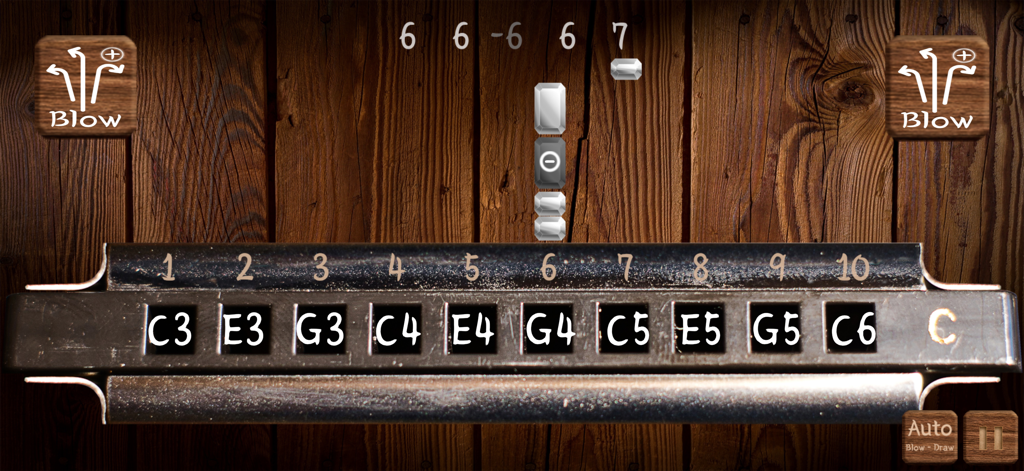
A virtual harmonica interface with falling numbered notes and musical notations for practicing songs on a wooden background.

A realistic virtual 10 hole diatonic harmonica with note labels on a wood grain background
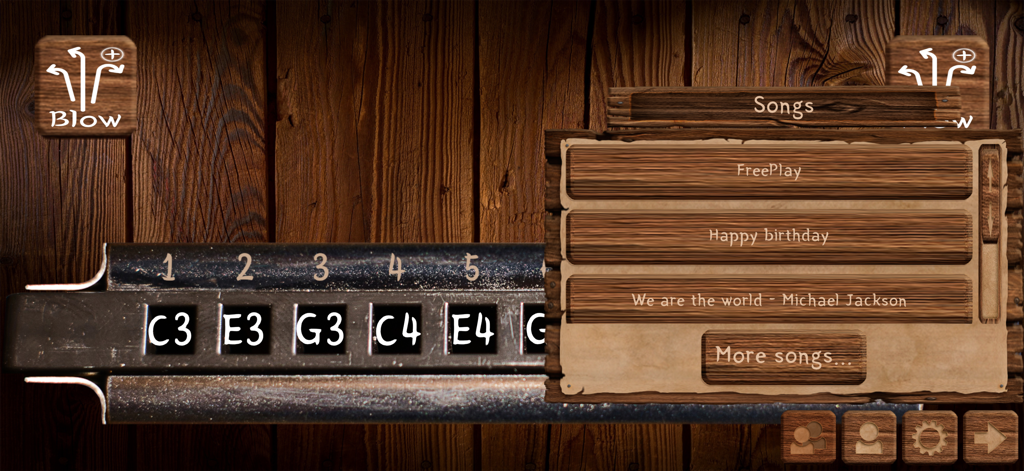
Song selection menu in the Harmonica Real Pro app showing a list of practice songs over a wooden background.
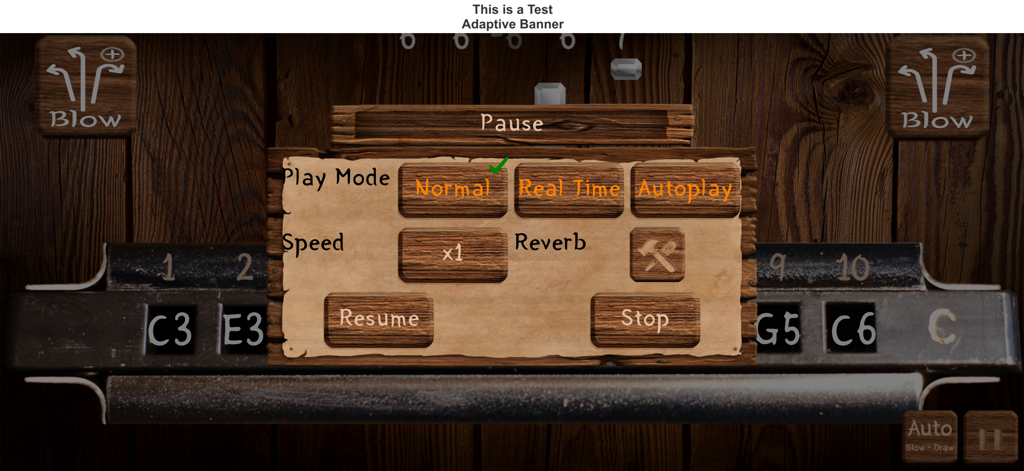
Harmonica Real Pro pause menu showing play mode and speed settings over a digital harmonica
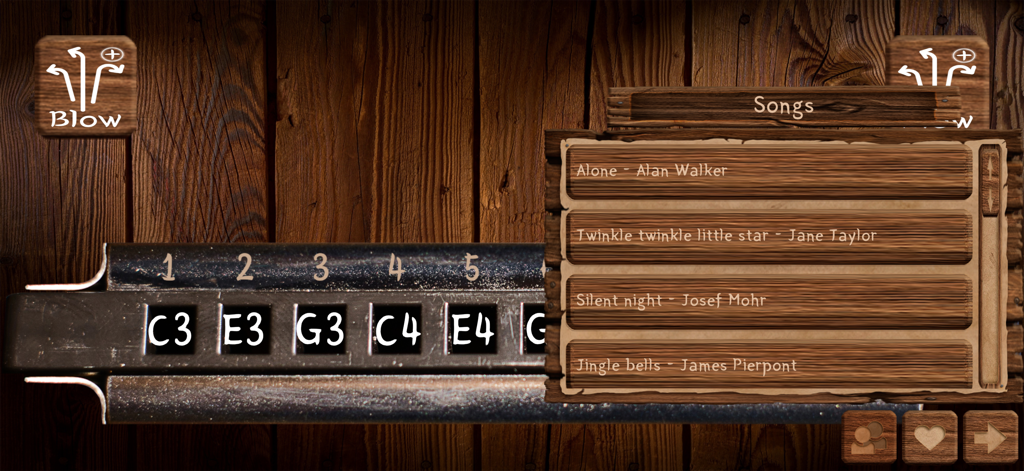
A list of songs to play on the Harmonica Real Pro mobile app interface
Description
Download
More Like This
Top-ranked apps in the same category

Spotify: Music and Podcasts
Spotify

YouTube Music
Google LLC

Shazam: Find Music & Concerts
Apple Inc.

SoundCloud: The Music You Love
SoundCloud Global Limited & Co KG

Suno - AI Songs & Music
Suno Inc.

QQ音乐 - 听我想听
Tencent Technology (Shenzhen) Company Limited

Audiomack - Play Music Offline
Audiomack, Inc.

BandLab – Music Maker & Beats
BandLab Singapore Pte Ltd

GuitarTuna: Tune & Play Guitar
Yousician Ltd
This page is not an official page of the app or its developer, but an independent editorial publication created for informational and commentary purposes. Unless expressly stated otherwise, neither the app nor its developer is affiliated with, endorsed by, sponsored by, authorized by, or otherwise officially connected with MWM, Apple, Google Play, the app publisher, or the app's developer, and nothing on this page implies that the app was developed using MWM's services. Any trademarks, logos, screenshots, and other content remain the property of their respective owners.