
This page is not an official page of the app or its developer, but an independent editorial publication created for informational and commentary purposes. Unless expressly stated otherwise, neither the app nor its developer is affiliated with, endorsed by, sponsored by, authorized by, or otherwise officially connected with MWM, Apple, Google Play, the app publisher, or the app's developer, and nothing on this page implies that the app was developed using MWM's services. Any trademarks, logos, screenshots, and other content remain the property of their respective owners.

NASA PVT+
Access the gold standard in fatigue science. Validated Psychomotor Vigilance Testing (PVT) designed for pilots, researchers, and professionals who demand clinical-grade cognitive data.
Downloads
3K+User Rating
Total Ratings
0Publisher
Category
Health & FitnessLocales
1Latest Version
1.5.7Size
30.9 MBFirst Released
Oct 6, 2020Precision Alertness Monitoring
Harness NASA-validated Psychomotor Vigilance Testing to quantify fatigue and optimize cognitive performance in high-stakes environments.
Gold-Standard PVT
Measure reaction times with millisecond precision using the industry-standard test sensitive to sleep loss and circadian misalignment.
Mission-Specific Protocols
Utilize pre-set frameworks designed for aviation duty cycles, research studies, or simple daily performance tracking.
Frequently Asked Questions
Everything you need to know about NASA PVT+
What is the NASA PVT+ app?
The NASA PVT+ app is an iOS-based touchscreen Psychomotor Vigilance Test (PVT) validated for collecting research data. It supports studies on sleep, alertness, and performance.
How does the Psychomotor Vigilance Test (PVT) function in the NASA PVT+ app?
The Psychomotor Vigilance Test (PVT) in NASA PVT+ displays a millisecond counter randomly every 2 to 10 seconds. Participants tap the screen when it appears. The app records their reaction time.
What types of studies can the NASA PVT+ app facilitate?
The NASA PVT+ app supports three main data collection schemes: Simple PVT, Basic Study, and Aviation Study. These frameworks accommodate various research needs related to alertness and performance.
What is the Karolinska Sleepiness Scale (KSS) used for in NASA PVT+?
The Karolinska Sleepiness Scale (KSS) in NASA PVT+ is a self-reported sleepiness rating. Participants assess their sleepiness level within the last five minutes using a scale from 1 to 9.
Does the NASA PVT+ app collect personal identifiable information?
No, the NASA PVT+ iOS application does not collect Personally Identifiable Information (PII) from study participants. Research data is not sent to NASA without a specific external agreement.
What features are included in the Aviation Study of the NASA PVT+ app?
The Aviation Study in NASA PVT+ offers a multiday framework, including off-duty and duty days. It incorporates sleep diaries, PVT, KSS, hassle factors, fatigue countermeasures, inflight rest, and pre-study questionnaires.
Can I try a demo of the PVT in the NASA PVT+ app?
Yes, the NASA PVT+ app includes a 'Demo PVT' option. This allows users to practice the Psychomotor Vigilance Test before engaging in a full study.
What information does the sleep diary gather in the NASA PVT+ app?
The NASA PVT+ sleep diary collects pre-sleep details like naps and bedtime. Post-sleep, it records time to fall asleep, number and duration of awakenings, final wake time, and sleep quality rating.
The following screenshots and description are sourced directly from the app's official store listing and are the property of the app developer.
App Store
Screenshots
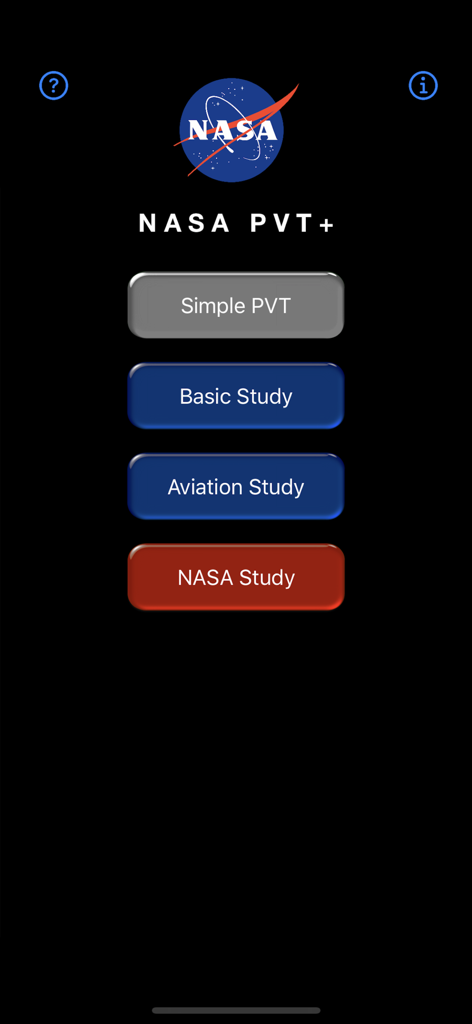
Main menu of the NASA PVT plus app featuring buttons for Simple PVT, Basic Study, Aviation Study, and NASA Study.
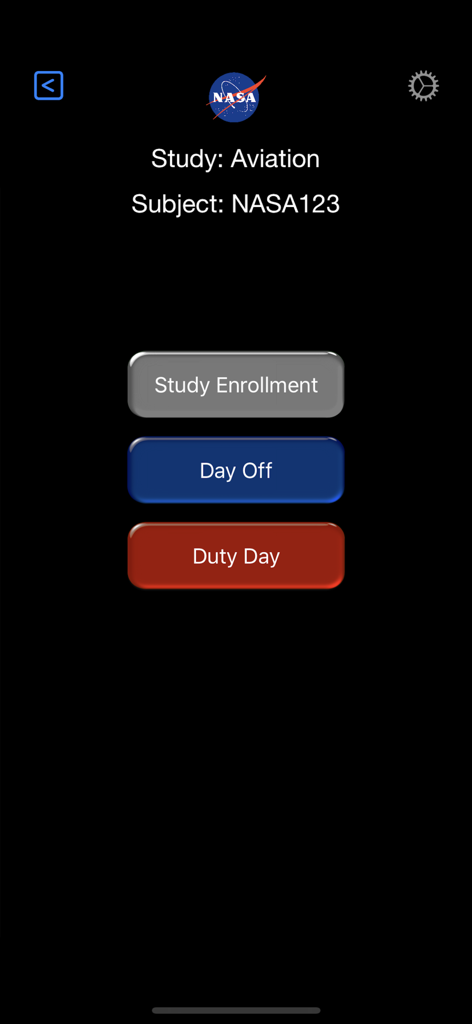
NASA PVT plus app aviation study menu screen showing enrollment day off and duty day buttons
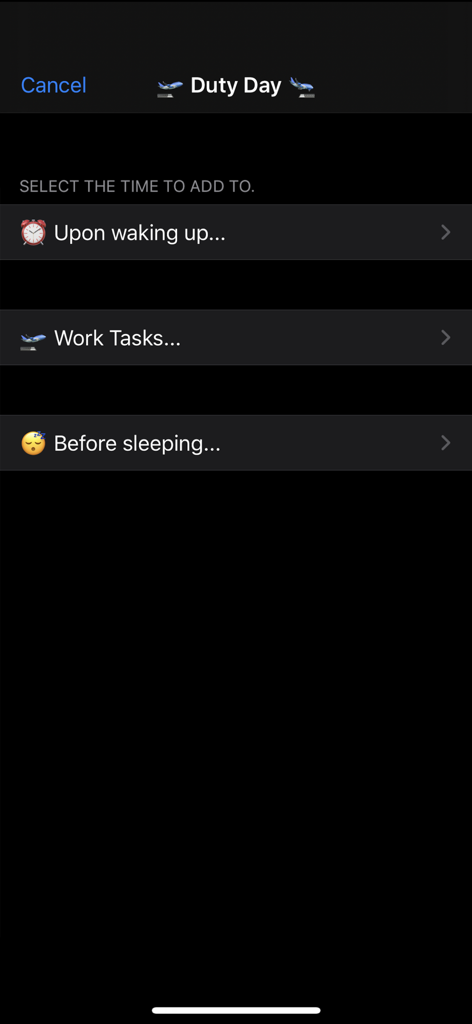
Interface of the NASA PVT plus app showing duty day selection options for aviation fatigue monitoring
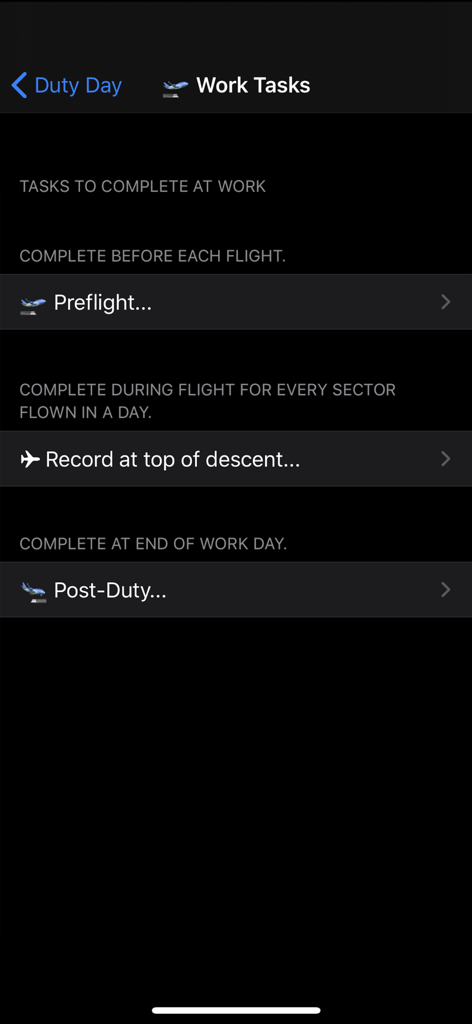
A list of aviation work tasks in the NASA PVT plus app including preflight and post duty checks
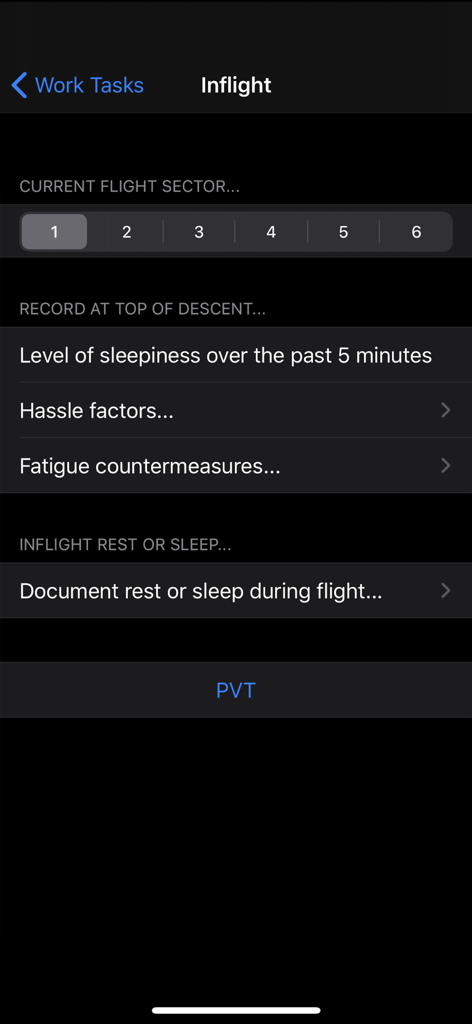
NASA PVT+ inflight data collection screen for pilots to record sleepiness and fatigue factors
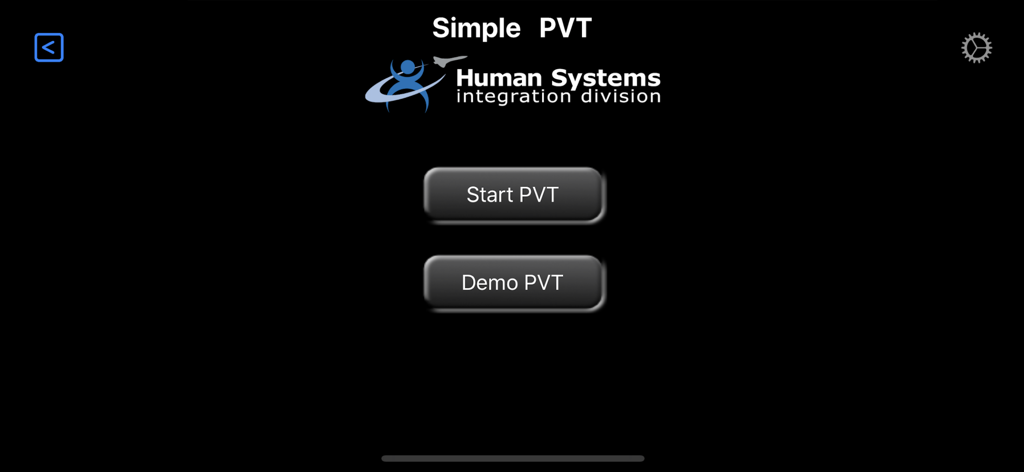
NASA PVT plus app simple test launch screen with start and demo buttons
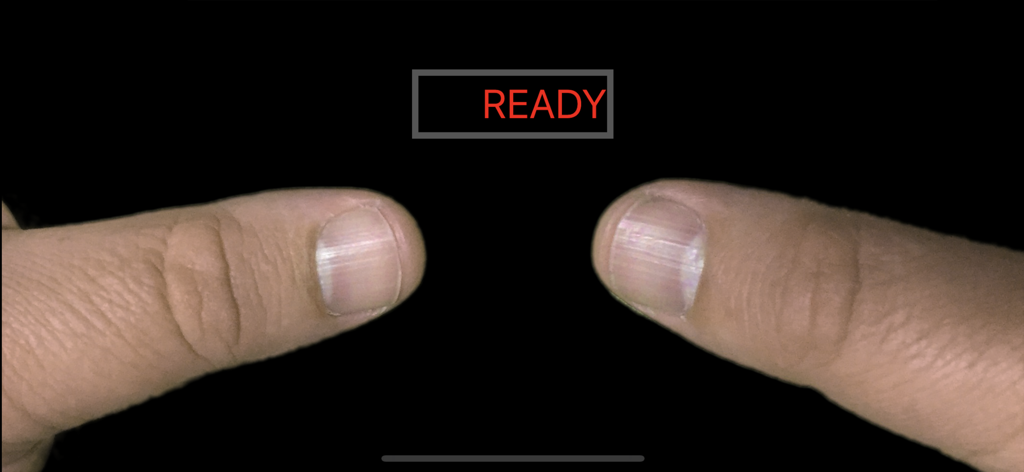
Two thumbs positioned for a psychomotor vigilance reaction test on the NASA PVT plus app
Description
Download
More Like This
Top-ranked apps in the same category

Strava: Run, Bike, Walk
Strava Inc.

Flo Cycle & Period Tracker
FLO HEALTH UK LIMITED

AI Calorie Tracker by Yazio
YAZIO GmbH

MyFitnessPal: Calorie Counter
MyFitnessPal, Inc.

Mi Fitness (Xiaomi Wear Lite)
Beijing Xiaomi Co., Ltd

美柚 - 经期·备孕·怀孕·育儿&亲友版
Xiamen Meet You Co., Ltd.

Cal AI - Calorie Tracker
Viral Development LLC
Yuka - Food & Cosmetic Scanner
Yuca

BitePal: Food Tracker Pet
REFACE LITHUANIA UAB
This page is not an official page of the app or its developer, but an independent editorial publication created for informational and commentary purposes. Unless expressly stated otherwise, neither the app nor its developer is affiliated with, endorsed by, sponsored by, authorized by, or otherwise officially connected with MWM, Apple, Google Play, the app publisher, or the app's developer, and nothing on this page implies that the app was developed using MWM's services. Any trademarks, logos, screenshots, and other content remain the property of their respective owners.