Alive or Dead: Game of Life
ダウンロード: App Store

このページはアプリまたはその開発者の公式ページではなく、情報提供および論評を目的として作成された独立した編集出版物です。明示的に別段の記載がない限り、アプリおよびその開発者は、MWM、Apple、Google Play、アプリのパブリッシャー、またはアプリの開発者と提携、承認、後援、認可、またはその他の公式的な関係はなく、このページのいかなる内容も、アプリがMWMのサービスを使用して開発されたことを意味するものではありません。すべての商標、ロゴ、スクリーンショット、その他のコンテンツはそれぞれの所有者の財産です。


ロゴ: Alive or Dead: Game of Life
ダウンロード: App Store

Alive or Dead: Game of Life

ミニマリストでチューリング完全な環境で、ジョン・コンウェイの伝説的なセルオートマトンを体験してください。観察、実験、そして論理を生命へと進化させるために、分析的な思考を持つ人々のために設計されました。

主要数値

ダウンロード

11K+

ユーザー評価

4.6/5

評価数

100

開発元

金珂 杜

カテゴリ

Developer Tools

対応言語

4

最新バージョン

3.4.6

サイズ

20.1 MB

リリース日

2020年2月13日
機能

セルオートマトンの法則をマスターする

コンウェイのライフゲームの数学的な純粋さに飛び込みましょう。分析的な思考を持つ人々のために設計された高性能シミュレーションで、4つの単純なルールが無限の複雑さをどのように生成するかを探求してください。

動的な創発

生存と繁殖の古典的なルールに基づき、単純なセルが発振器、宇宙船、そして複雑な生命体へと進化するのを観察してください。

チューリング完全なサンドボックス

ユニバーサルコンストラクタや任意のチューリングマシンをiPhoneやiPad上で直接シミュレートできるほどの強力なシステムを活用してください。

以下のスクリーンショットと説明は、アプリの公式ストアリスティングから直接取得されたものであり、アプリ開発者の所有物です。

アプリストア

スクリーンショット
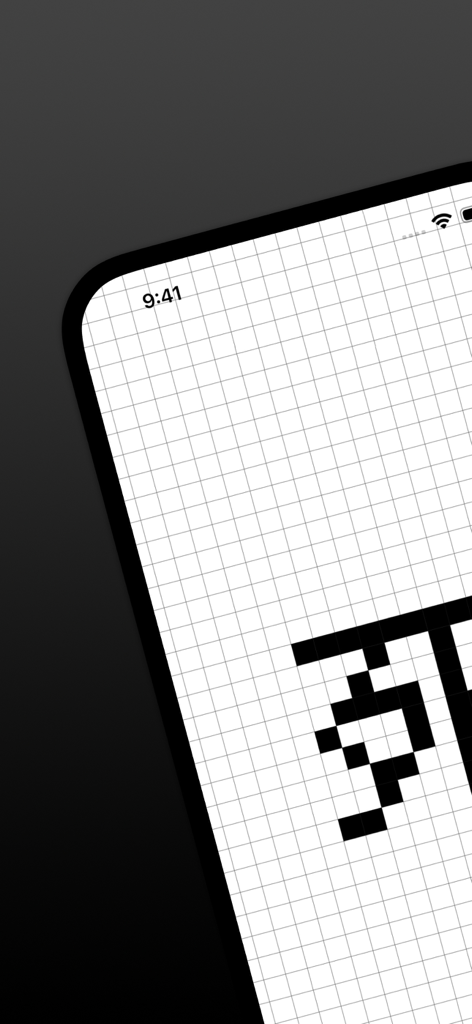
Alive or Dead: Game of Life - Alive or Deadアプリのミニマリストグリッド上のセルオートマトンパターン
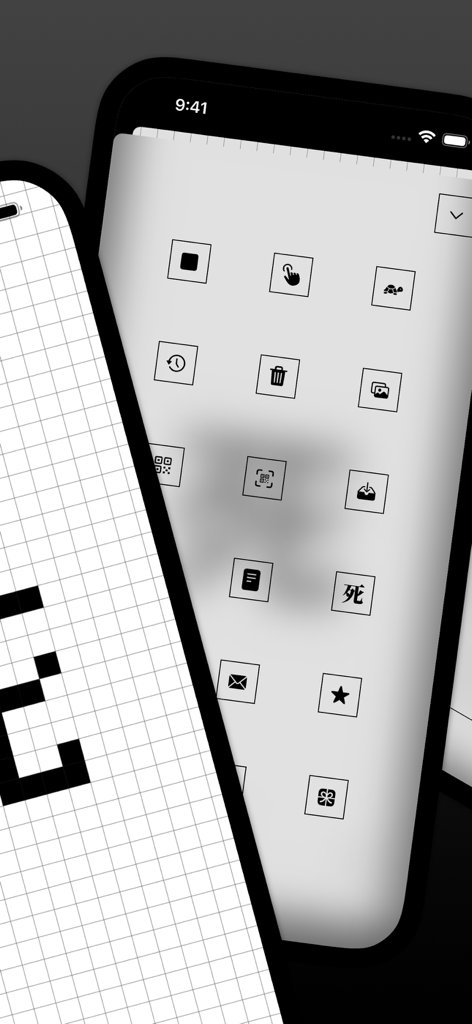
Alive or Deadアプリのミニマリストグリッド上のセルオートマトンパターン

Alive or Dead: Game of Life - グリッドとコントロールアイコンを示す、ライフゲームのミニマリストな白黒モバイルインターフェース
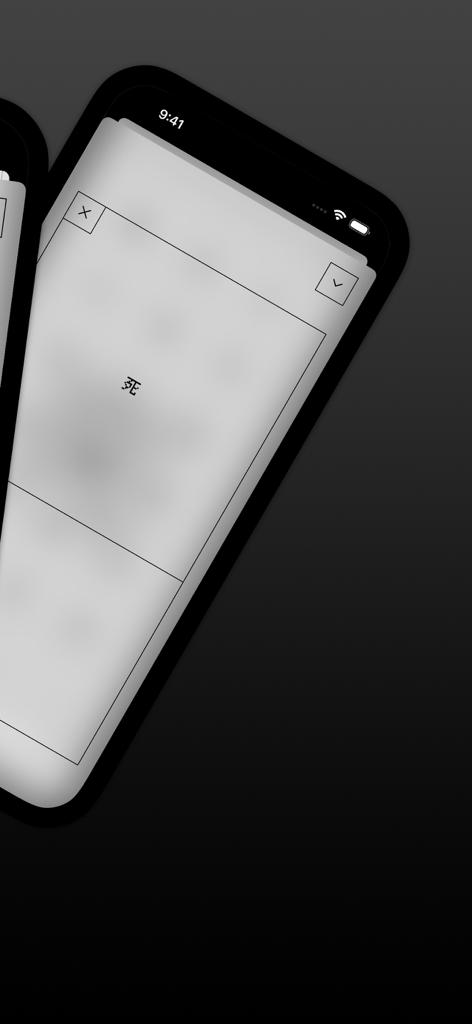
グリッドとコントロールアイコンを示す、ライフゲームのミニマリストな白黒モバイルインターフェース

Alive or Dead: Game of Life - Alive or Dead Game of Lifeシミュレーションのミニマリストモバイルインターフェース

Alive or Dead Game of Lifeシミュレーションのミニマリストモバイルインターフェース

説明

The Game of Life, also known simply as Life, is a cellular automaton devised by the British mathematician John Horton Conway in 1970. The game is a zero-player game, meaning that its evolution is determined by its initial state, requiring no further input. One interacts with the Game of Life by creating an initial configuration and observing how it evolves. It is Turing complete and can simulate a universal constructor or any other Turing machine. The universe of the Game of Life is an infinite, two-dimensional orthogonal grid of square cells, each of which is in one of two possible states, alive or dead, (or populated and unpopulated, respectively). Every cell interacts with its eight neighbours, which are the cells that are horizontally, vertically, or diagonally adjacent. At each step in time, the following transitions occur: 1. Any live cell with fewer than two live neighbours dies, as if by underpopulation. 2. Any live cell with two or three live neighbours lives on to the next generation. 3. Any live cell with more than three live neighbours dies, as if by overpopulation. 4. Any dead cell with exactly three live neighbours becomes a live cell, as if by reproduction. These rules, which compare the behavior of the automaton to real life, can be condensed into the following: 1. Any live cell with two or three neighbors survives. 2. Any dead cell with three live neighbors becomes a live cell. 3. All other live cells die in the next generation. Similarly, all other dead cells stay dead. The initial pattern constitutes the seed of the system. The first generation is created by applying the above rules simultaneously to every cell in the seed; births and deaths occur simultaneously, and the discrete moment at which this happens is sometimes called a tick. Each generation is a pure function of the preceding one. The rules continue to be applied repeatedly to create further generations.

Download

ダウンロード: App Store

このページはアプリまたはその開発者の公式ページではなく、情報提供および論評を目的として作成された独立した編集出版物です。明示的に別段の記載がない限り、アプリおよびその開発者は、MWM、Apple、Google Play、アプリのパブリッシャー、またはアプリの開発者と提携、承認、後援、認可、またはその他の公式的な関係はなく、このページのいかなる内容も、アプリがMWMのサービスを使用して開発されたことを意味するものではありません。すべての商標、ロゴ、スクリーンショット、その他のコンテンツはそれぞれの所有者の財産です。