
This page is not an official page of the app or its developer, but an independent editorial publication created for informational and commentary purposes. Unless expressly stated otherwise, neither the app nor its developer is affiliated with, endorsed by, sponsored by, authorized by, or otherwise officially connected with MWM, Apple, Google Play, the app publisher, or the app's developer, and nothing on this page implies that the app was developed using MWM's services. Any trademarks, logos, screenshots, and other content remain the property of their respective owners.
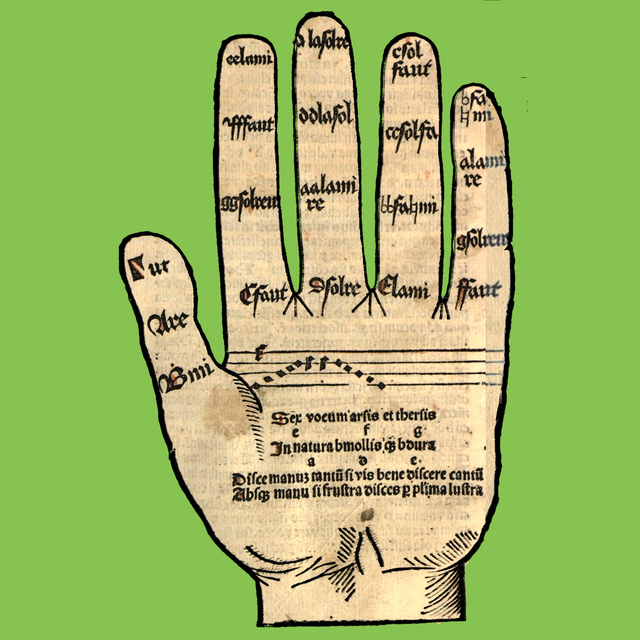

Guidonian Hand
Transform your hand into an interactive keyboard with AR technology to explore the historical roots of sight-singing, solmization, and the hexachord system.
Downloads
300User Rating
Total Ratings
0Publisher
Category
EducationLocales
2Latest Version
1.1Size
34.1 MBFirst Released
Sep 9, 2021Master the Art of Medieval Music Theory
Bridge centuries of musical history with interactive tools designed for musicologists, choir directors, and vocal students seeking a tactile connection to historical notation.
Interactive AR Hand Mapping
Leverage hand recognition technology to transform your own palm into a living keyboard, mapping hexachord joints in real-time for an immersive learning experience.
Authentic Solmization Pedagogy
Master the original 'ut-re-mi' system with high-fidelity tones and visual aids covering the full historical gamut from Gamma ut to E la.
The following screenshots and description are sourced directly from the app's official store listing and are the property of the app developer.
App Store
Screenshots
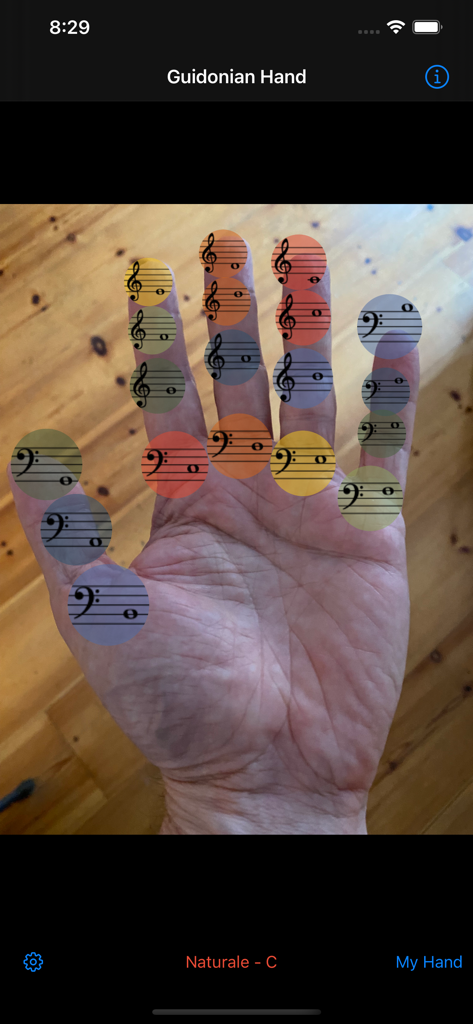
The Guidonian Hand app using augmented reality to display musical notes and staves on a human hand
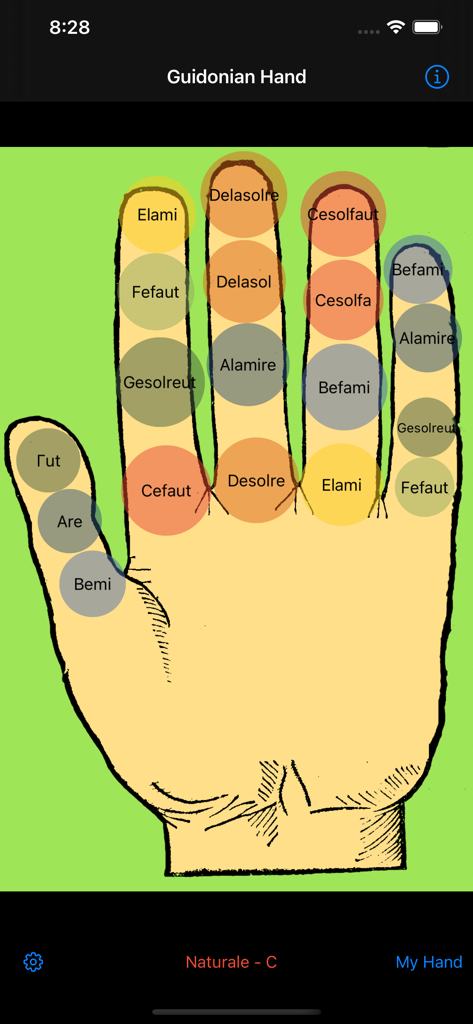
A diagram of the Guidonian Hand showing medieval musical solmization syllables mapped to different finger joints and tips.
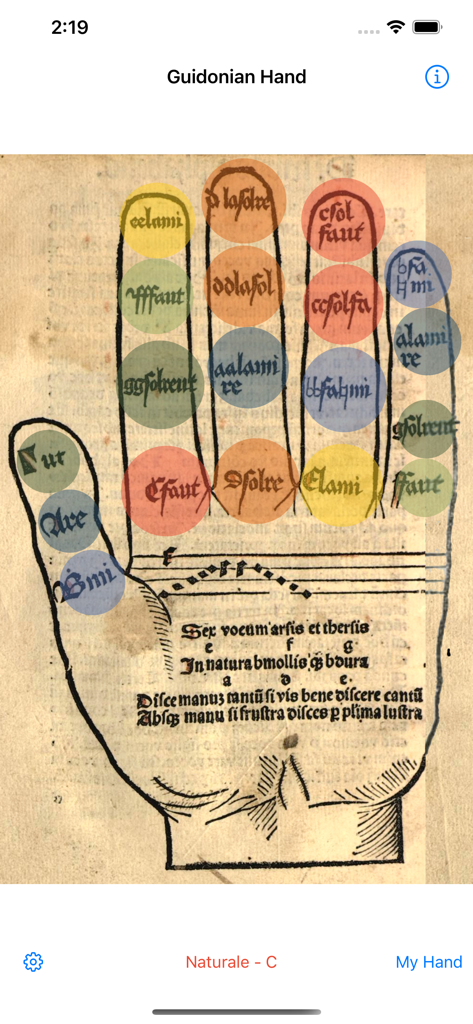
Medieval Guidonian Hand with interactive music note overlays on finger joints
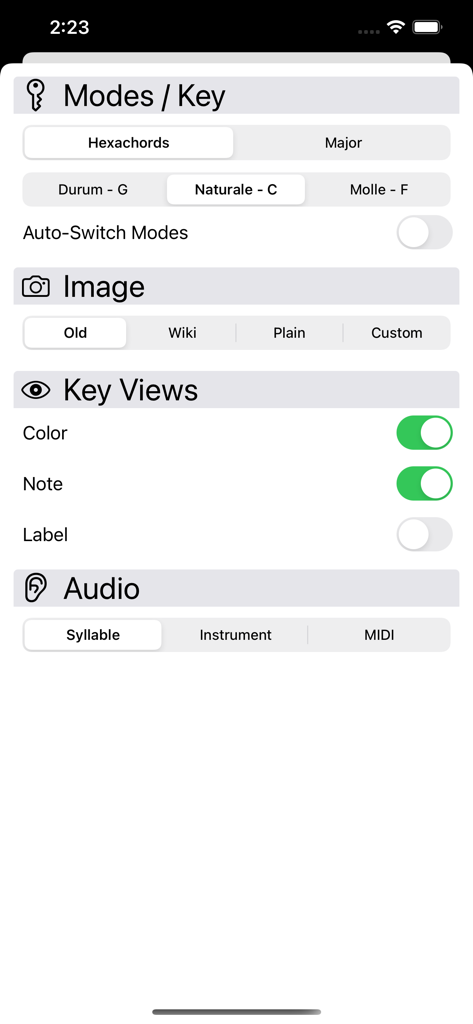
Guidonian Hand app settings screen with options for music modes image styles and audio
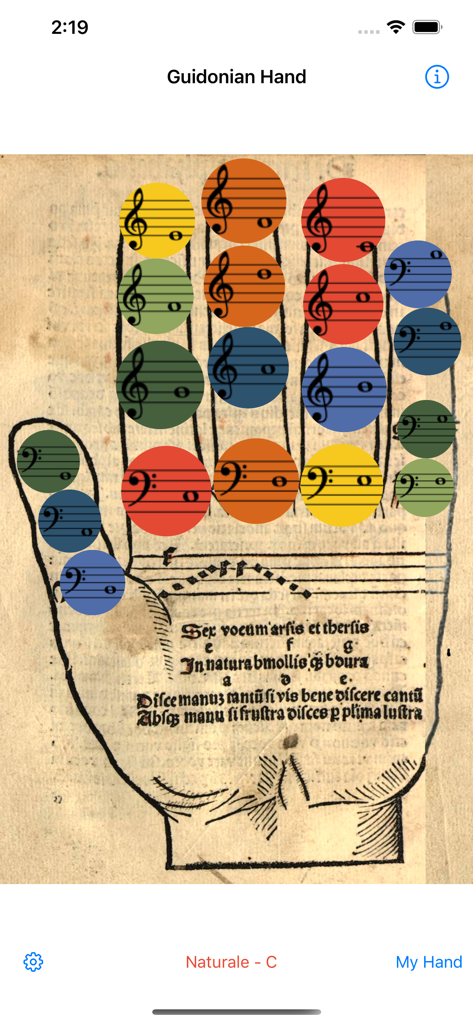
A medieval Guidonian Hand diagram with colorful circular musical notation icons on its fingers
Description
Download
More Like This
Top-ranked apps in the same category

Duolingo - Language Lessons
Duolingo, Inc

Speak & Learn English: Learna
DEEP FLOW SOFTWARE SERVICES - FZCO
驾考宝典-科一科四驾驶证考试驾考通
Wuhan Jiakaobaodian Information Service Co., Ltd.

Toca Boca World
Toca Boca AB

Google Classroom
Google LLC
作业帮-中小学家长作业检查和辅导工具
Guangzhou Polar Future Culture Technology Co., Ltd

学信网
Student Information Consultation Service Co., Ltd.

Gauth: AI Study Companion
GAUTHTECH PTE. LTD.
ArtWorkout: Learn How to Draw
Aleksandr Ulitin
This page is not an official page of the app or its developer, but an independent editorial publication created for informational and commentary purposes. Unless expressly stated otherwise, neither the app nor its developer is affiliated with, endorsed by, sponsored by, authorized by, or otherwise officially connected with MWM, Apple, Google Play, the app publisher, or the app's developer, and nothing on this page implies that the app was developed using MWM's services. Any trademarks, logos, screenshots, and other content remain the property of their respective owners.