
This page is not an official page of the app or its developer, but an independent editorial publication created for informational and commentary purposes. Unless expressly stated otherwise, neither the app nor its developer is affiliated with, endorsed by, sponsored by, authorized by, or otherwise officially connected with MWM, Apple, Google Play, the app publisher, or the app's developer, and nothing on this page implies that the app was developed using MWM's services. Any trademarks, logos, screenshots, and other content remain the property of their respective owners.

Wildflowers of Mount Everest
Carry the expertise of vegetation ecologists on your trek. Identify over 550 species with 2,500+ detailed images and professional search tools—working 100% offline from the temperate forests to the highest alpine peaks.
Downloads
200User Rating
Total Ratings
0Publisher
Category
EducationLocales
1Latest Version
5.03Size
194.9 MBFirst Released
Mar 29, 2020Unveil the Floral Wonders of the Himalayas
Master the unique ecosystem of Mount Everest with an expert-verified field guide that stays with you, even where cell signals do not reach.
Built for the Remote Trail
No internet connection required. Access the full database of 550+ species offline, ensuring you have expert knowledge at every camp and summit.
Professional Search Key
Easily identify plants by choosing flower color, petal count, or leaf arrangement. Our 11-category search is designed for both amateurs and botanists.
The following screenshots and description are sourced directly from the app's official store listing and are the property of the app developer.
App Store
Screenshots
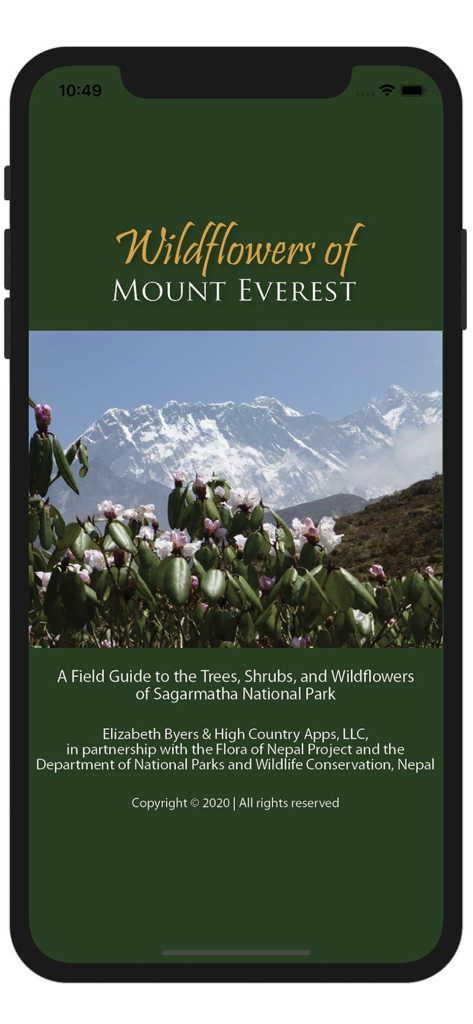
Wildflowers of Mount Everest app home screen featuring Himalayan peaks and native pink flowers
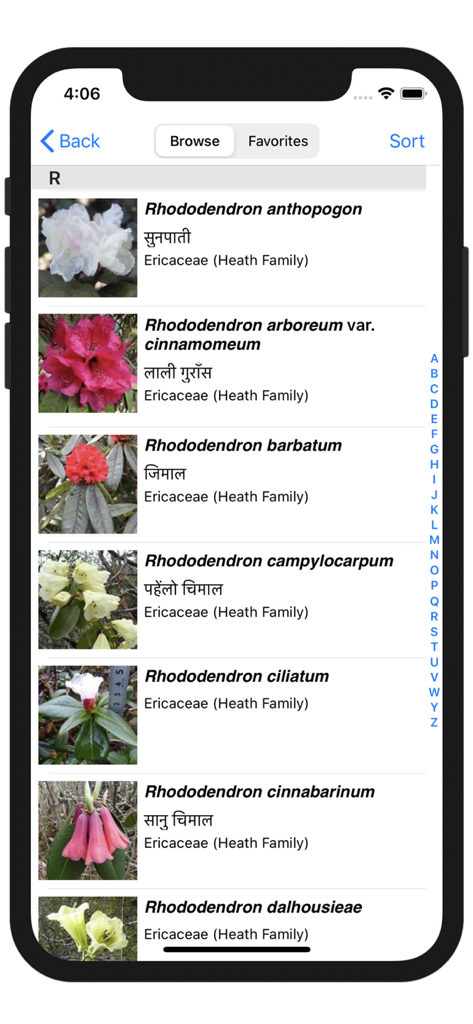
A catalog view of various Rhododendron species in the Wildflowers of Mount Everest app showing scientific names and photos.
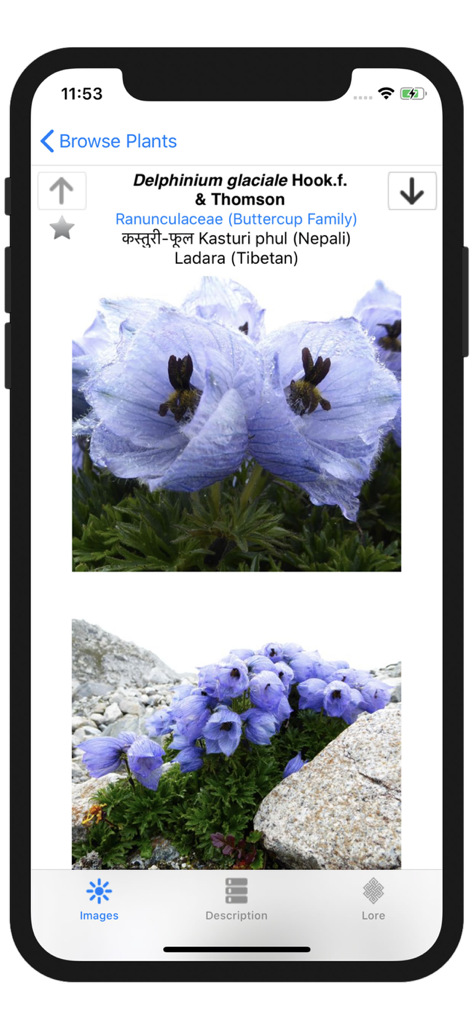
Botanical details and images of Delphinium glaciale in the Wildflowers of Mount Everest mobile app interface
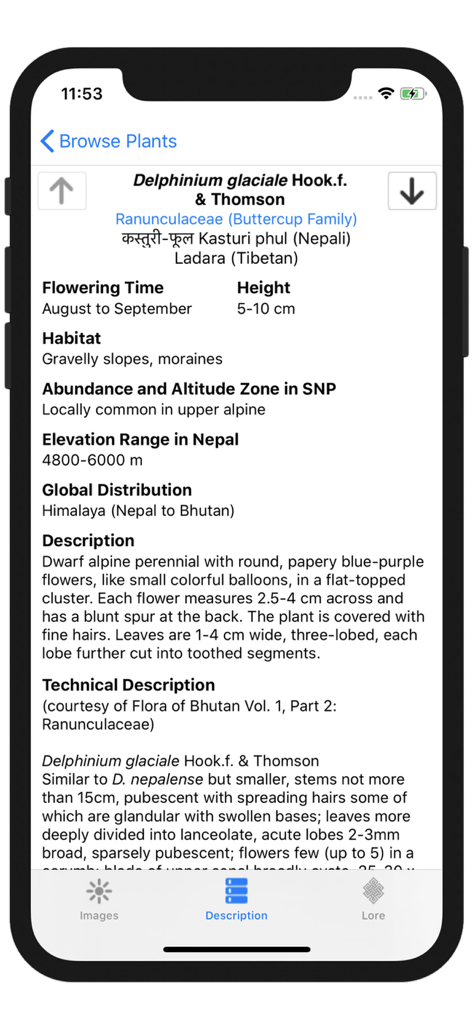
Detailed scientific description and habitat information for a wildflower species in the Mount Everest app.
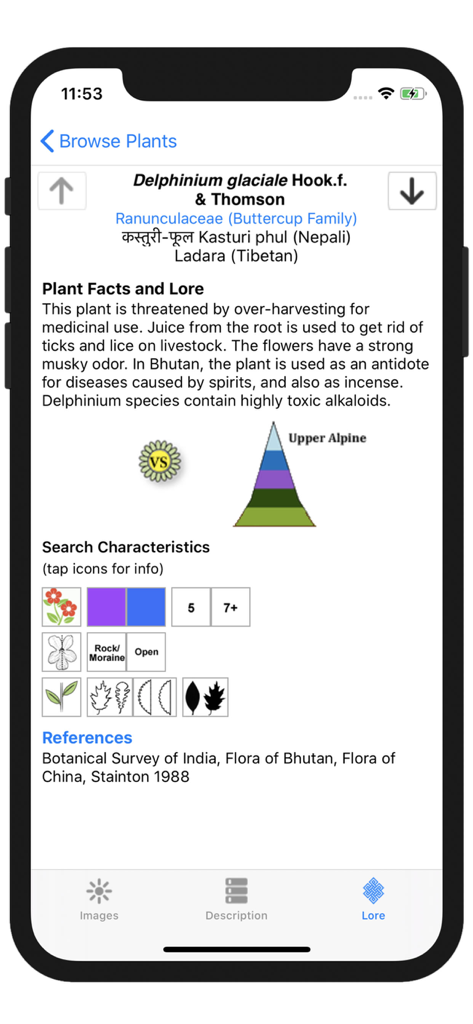
Detailed plant lore and botanical information for Delphinium glaciale in the Wildflowers of Mount Everest app.
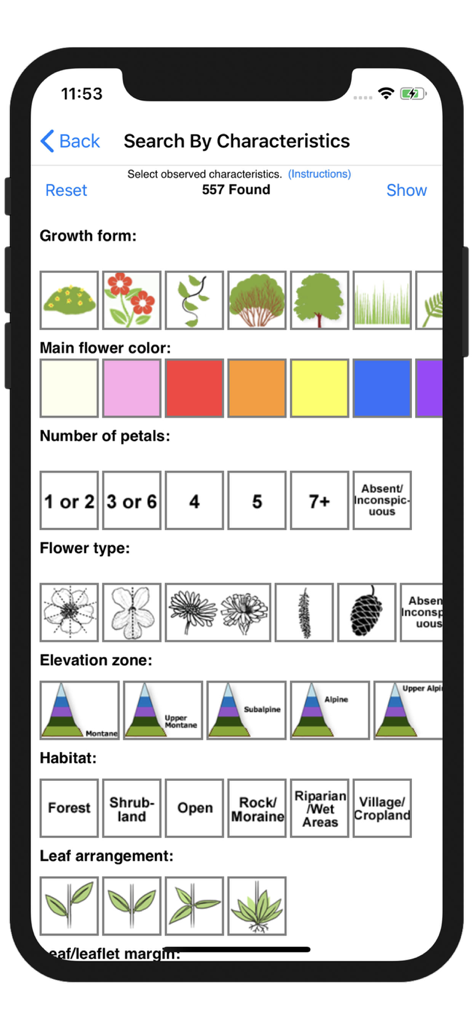
Search by characteristics interface in the Wildflowers of Mount Everest app featuring botanical filters for growth form flower color and elevation zone
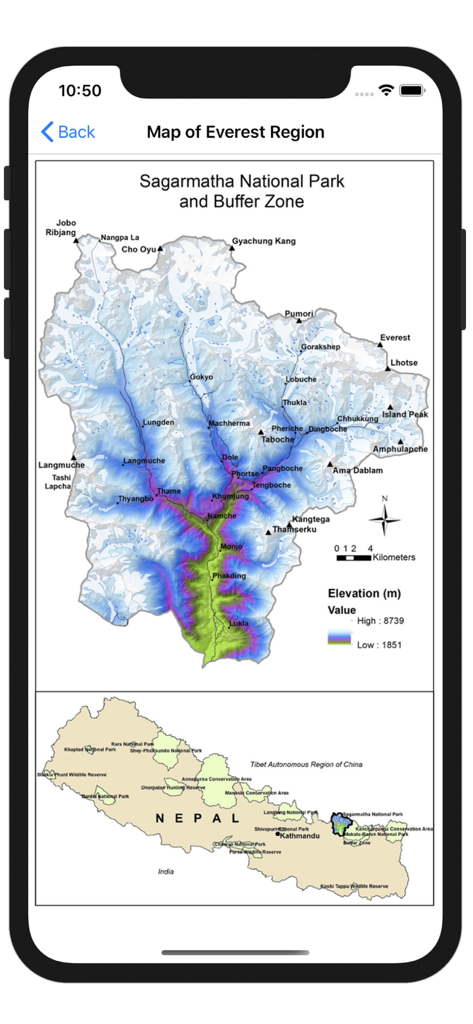
Topographical map of Sagarmatha National Park in the Everest region showing elevation zones and major peaks
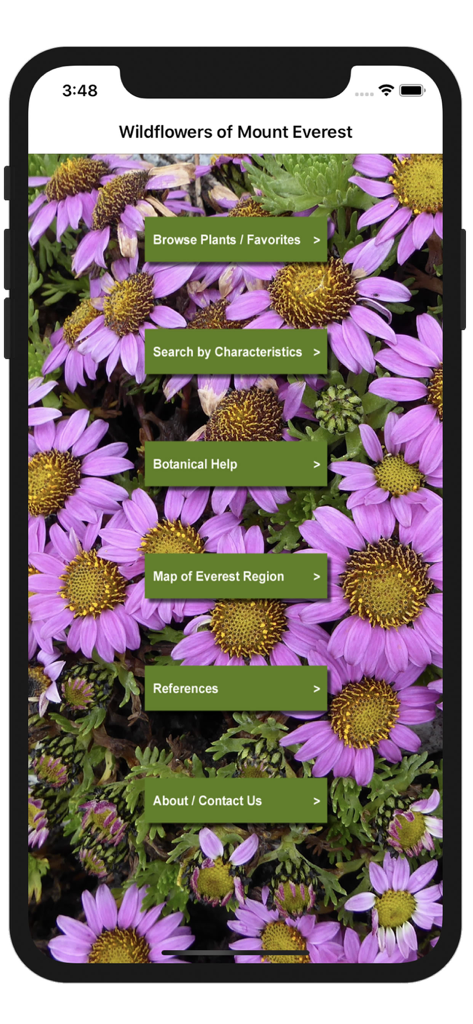
Main menu of the Wildflowers of Mount Everest app featuring a background of purple wildflowers and navigation buttons.
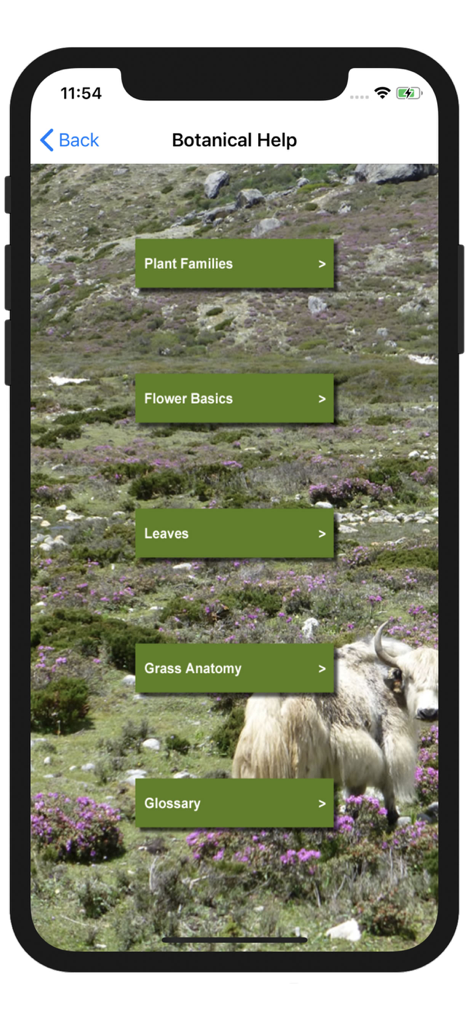
Botanical Help section of the Wildflowers of Mount Everest app showing educational categories over a mountain landscape with a yak.
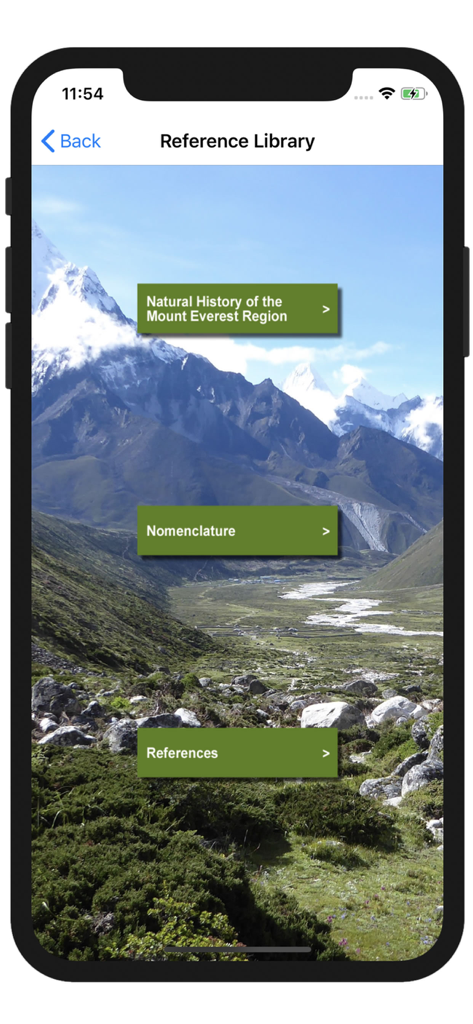
Reference Library screen of the Wildflowers of Mount Everest app showing links to Natural History and Nomenclature sections over a mountain landscape.
Description
Download
More Like This
Top-ranked apps in the same category

Duolingo - Language Lessons
Duolingo, Inc

Speak & Learn English: Learna
DEEP FLOW SOFTWARE SERVICES - FZCO

驾考宝典-科一科四驾驶证考试驾考通
Wuhan Jiakaobaodian Information Service Co., Ltd.

Toca Boca World
Toca Boca AB

Google Classroom
Google LLC

作业帮-中小学家长作业检查和辅导工具
Guangzhou Polar Future Culture Technology Co., Ltd

学信网
Student Information Consultation Service Co., Ltd.

Gauth: AI Study Companion
GAUTHTECH PTE. LTD.

ArtWorkout: Learn How to Draw
Aleksandr Ulitin
This page is not an official page of the app or its developer, but an independent editorial publication created for informational and commentary purposes. Unless expressly stated otherwise, neither the app nor its developer is affiliated with, endorsed by, sponsored by, authorized by, or otherwise officially connected with MWM, Apple, Google Play, the app publisher, or the app's developer, and nothing on this page implies that the app was developed using MWM's services. Any trademarks, logos, screenshots, and other content remain the property of their respective owners.