
This page is not an official page of the app or its developer, but an independent editorial publication created for informational and commentary purposes. Unless expressly stated otherwise, neither the app nor its developer is affiliated with, endorsed by, sponsored by, authorized by, or otherwise officially connected with MWM, Apple, Google Play, the app publisher, or the app's developer, and nothing on this page implies that the app was developed using MWM's services. Any trademarks, logos, screenshots, and other content remain the property of their respective owners.


Alive or Dead: Game of Life
Experience John Conway’s legendary cellular automaton in a minimalist, Turing-complete environment. Designed for the analytical mind to observe, experiment, and evolve logic into life.
Downloads
11K+User Rating
Total Ratings
100Publisher
Category
Developer ToolsLocales
4Latest Version
3.4.6Size
20.1 MBFirst Released
Feb 13, 2020Master the Laws of Cellular Automata
Dive into the mathematical purity of Conway’s Game of Life. Explore how four simple rules generate infinite complexity in this high-performance simulation designed for the analytical mind.
Dynamic Emergence
Watch as simple cells evolve into oscillators, spaceships, and complex life-forms based on the classic rules of survival and reproduction.
Turing-Complete Sandbox
Leverage a system powerful enough to simulate a universal constructor or any Turing machine directly on your iPhone or iPad.
The following screenshots and description are sourced directly from the app's official store listing and are the property of the app developer.
App Store
Screenshots
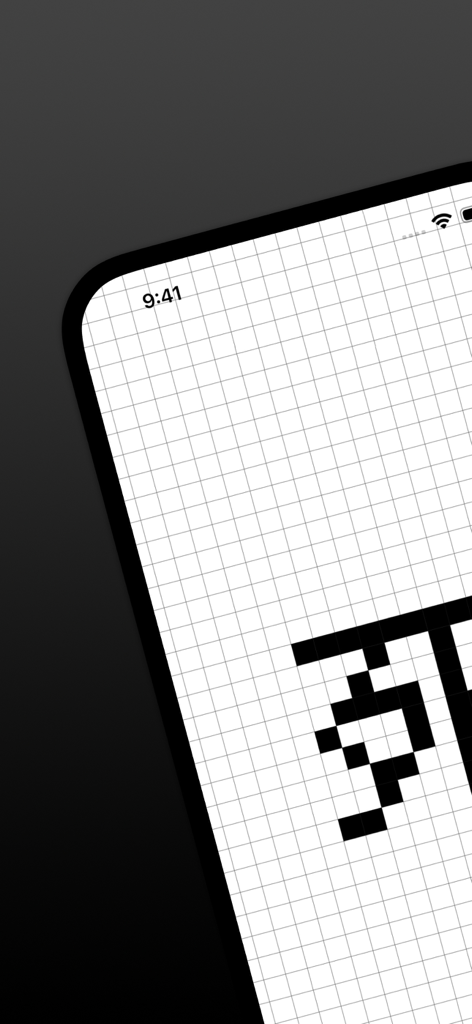
A cellular automaton pattern on a minimalist grid in the Alive or Dead app
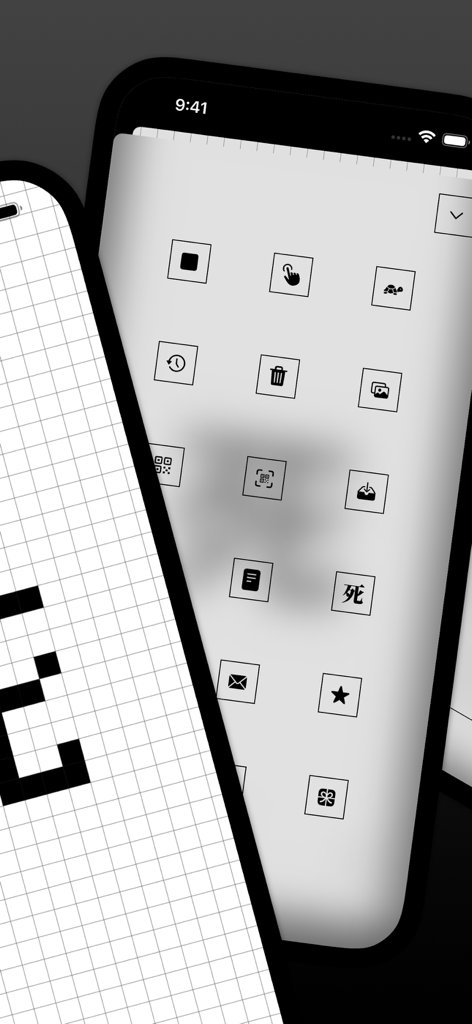
Minimalist black and white mobile interface for the Game of Life showing a grid and control icons
Minimalist mobile interface of the Alive or Dead Game of Life simulation
Description
Download
More Like This
Top-ranked apps in the same category

TestFlight
Apple Inc.

Replit: Vibe Code Apps
Replit, Inc

GitHub
GitHub

O-KAM Pro
Shenzhen VeePai IoT Intelligent Technology LLC

Apple Developer
Apple Inc.

Expo Go
650 Industries, Inc.

Scriptable
Simon Stovring

App Store Connect
Apple Inc.

Sekai: Create · Remix · Play
Versa AI, Inc.
This page is not an official page of the app or its developer, but an independent editorial publication created for informational and commentary purposes. Unless expressly stated otherwise, neither the app nor its developer is affiliated with, endorsed by, sponsored by, authorized by, or otherwise officially connected with MWM, Apple, Google Play, the app publisher, or the app's developer, and nothing on this page implies that the app was developed using MWM's services. Any trademarks, logos, screenshots, and other content remain the property of their respective owners.