
This page is not an official page of the app or its developer, but an independent editorial publication created for informational and commentary purposes. Unless expressly stated otherwise, neither the app nor its developer is affiliated with, endorsed by, sponsored by, authorized by, or otherwise officially connected with MWM, Apple, Google Play, the app publisher, or the app's developer, and nothing on this page implies that the app was developed using MWM's services. Any trademarks, logos, screenshots, and other content remain the property of their respective owners.


TP-Link Omada
Take complete control of your business or home network. Configure, monitor, and optimize your gateways, switches, and EAPs with enterprise-grade tools designed for mobile-first convenience.
Downloads
94K+User Rating
Total Ratings
500Publisher
Category
UtilitiesLocales
23Latest Version
5.0.134Size
185.6 MBFirst Released
May 22, 2018Professional Network Control, Redefined
Whether you are managing a high-performance smart home or a multi-site business, Omada puts enterprise-grade network management right in your pocket.
Global Cloud Management
Access and configure your networks from anywhere in the world. Manage multiple sites remotely without the need for expensive on-site visits.
Deep Traffic Insights
Monitor client behavior and bandwidth usage in real-time. Identify bottlenecks and optimize network health through a single, intuitive dashboard.
The following screenshots and description are sourced directly from the app's official store listing and are the property of the app developer.
App Store
Screenshots
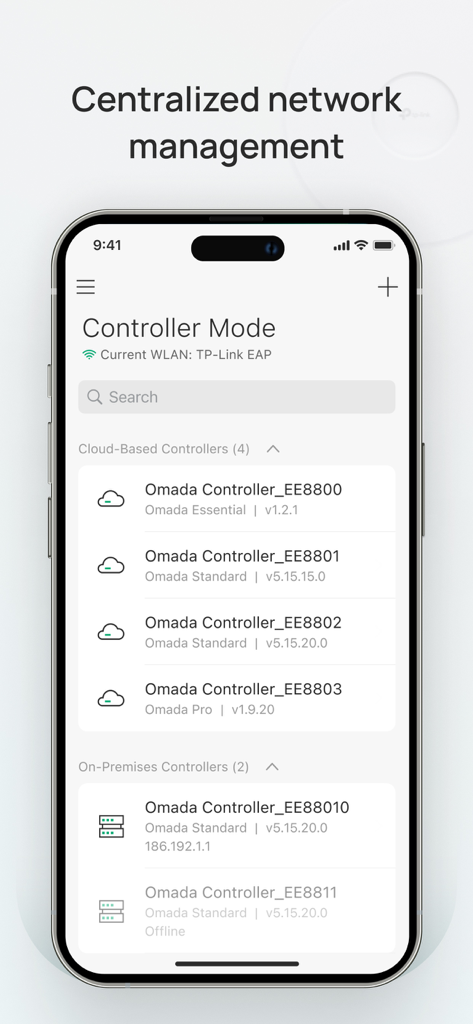
TP-Link Omada app showing the Controller Mode interface with a list of cloud-based and on-premises network controllers for centralized management.
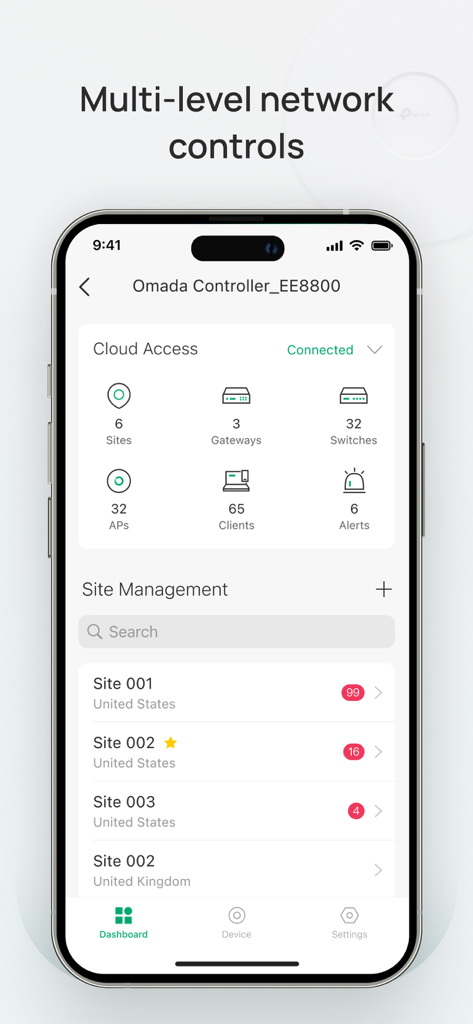
Smartphone screen showing the TP-Link Omada app dashboard with multi-level network controls and multiple site management.
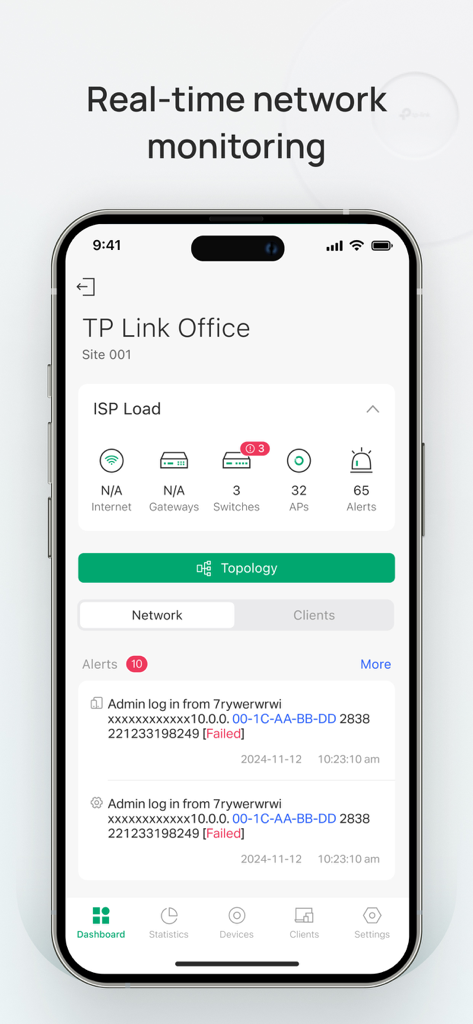
Smartphone screen displaying the TP-Link Omada app dashboard with real-time network health metrics and security alerts
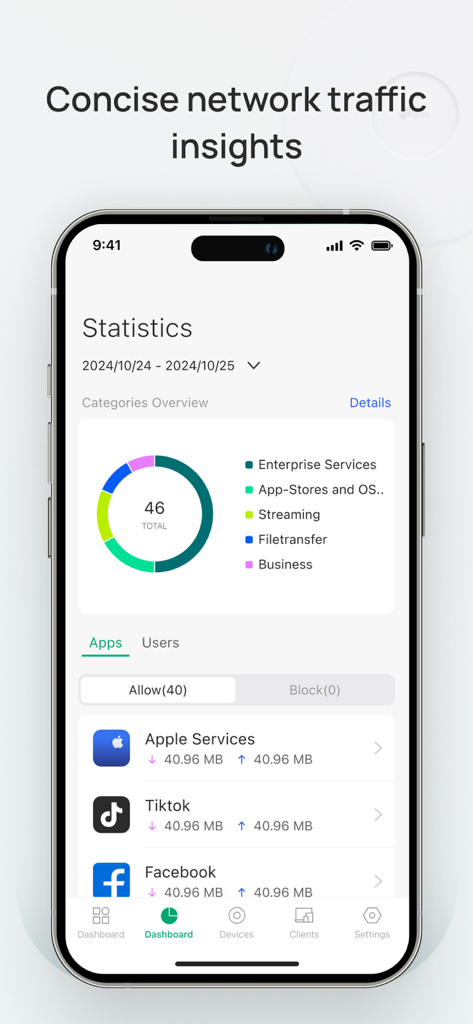
TP-Link Omada app screen showing network traffic insights and app data usage statistics
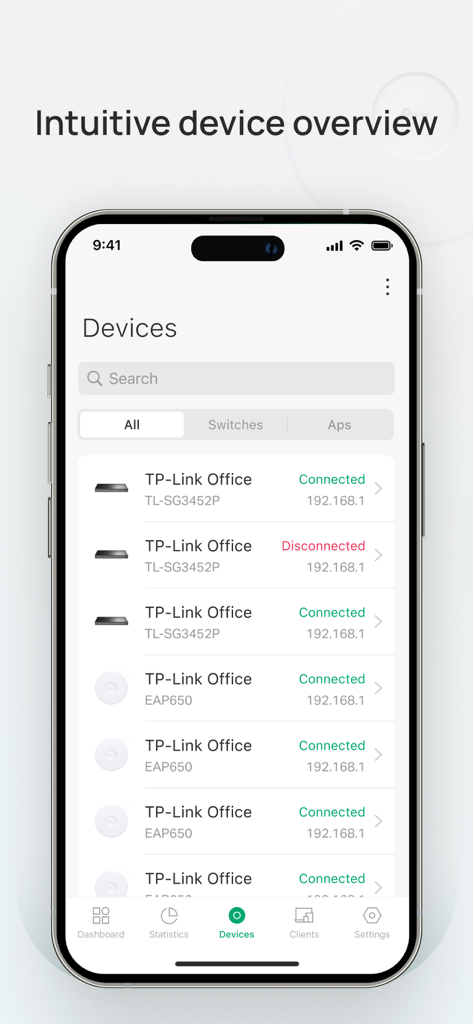
TP-Link Omada app screen showing a list of connected and disconnected network devices including switches and access points
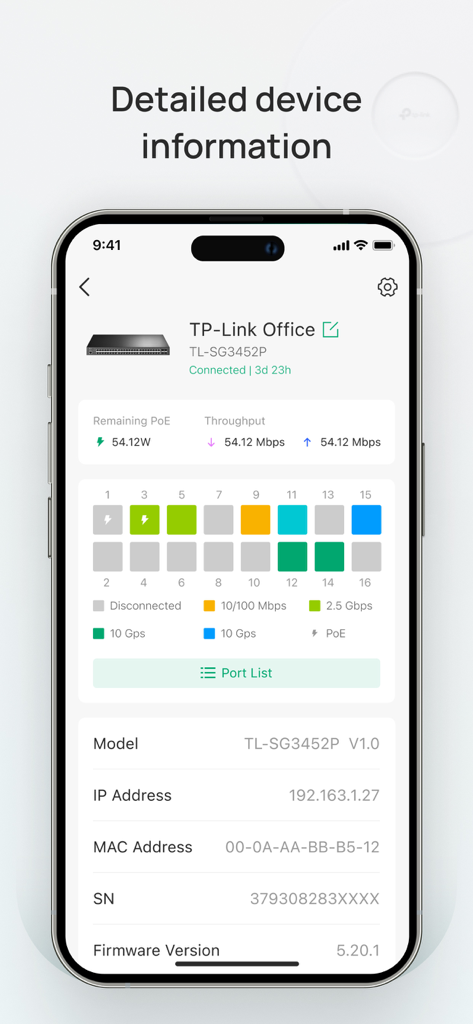
A mobile phone screen displaying detailed information for a network switch in the TP-Link Omada app including port status and throughput
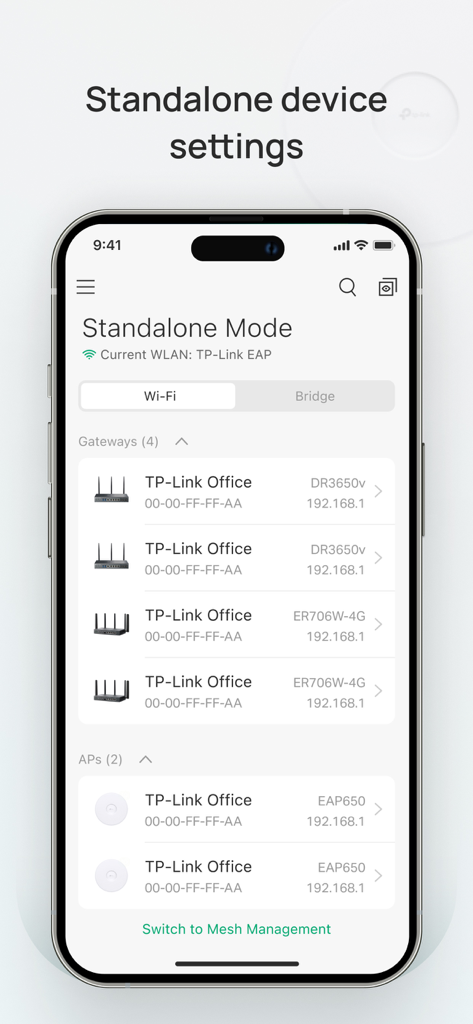
TP-Link Omada app interface displaying standalone mode settings for office gateways and access points.
Description
Download
More Like This
Top-ranked apps in the same category

Google LLC
Google Chrome
Google LLC

中国移动(手机营业厅)
China Mobile Online Services Co., Ltd.

Google Authenticator
Google LLC

CNH do Brasil
Servicos e Informacoes do Brasil

Cleanup: Phone Storage Cleaner
DEEP FLOW SOFTWARE SERVICES - FZCO

gov.br
Servicos e Informacoes do Brasil

中国电信-全国统一官方服务平台
CHINA TELECOM Corporation Ltd.

Microsoft Edge: AI Browser
Microsoft Corporation
This page is not an official page of the app or its developer, but an independent editorial publication created for informational and commentary purposes. Unless expressly stated otherwise, neither the app nor its developer is affiliated with, endorsed by, sponsored by, authorized by, or otherwise officially connected with MWM, Apple, Google Play, the app publisher, or the app's developer, and nothing on this page implies that the app was developed using MWM's services. Any trademarks, logos, screenshots, and other content remain the property of their respective owners.